

Sign In
Choosing a dive shop
A short, practical guide to comparing dive shops before you book — what to verify, what's negotiable, and what should never be compromised.
The cheapest dive shop is rarely the best deal. Before you compare prices, verify that the operator is affiliated with a recognised agency (PADI, SSI, NAUI, or RAID), maintains its gear, briefs every dive properly, and has a clear emergency plan. Any reputable shop in Goa, Pondicherry, the Andamans, or Lakshadweep will be happy to talk you through their safety protocols.
For Open Water training the maximum is usually 8 students per instructor; many quality schools cap at 4 so each student gets real attention underwater. For fun dives, look for a guide-to-diver ratio of around 1:4 or better. Smaller ratios = better experience, especially if conditions get tricky.
A typical fun-dive package should include tank, weights, BCD, regulator, mask, fins, wetsuit, and either boat or shore access. Ask explicitly about underwater photos/videos (often a paid add-on), pickup from your accommodation, and any temple-tax or marine-park fees in places like the Andamans.
Look past the star rating and read the actual comments. Recurring complaints about gear condition, rushed briefings, or pushy upsell tactics are red flags. Equally, lots of reviewers mentioning a specific instructor by name is a great sign — try to book with that instructor.
If you've never dived before, do a single supervised Try Scuba dive before signing up for the full Open Water course. It's the cheapest way to know whether you actually enjoy diving. Many shops apply the trial fee toward your course if you continue.
Got questions?
Everything you should check before you book a course or fun dive.
A reputable dive shop will display affiliation with at least one major training agency — PADI, SSI, NAUI, or RAID — list certified instructors by name, share clear safety protocols, and have recent reviews from divers. Coral Circuit dive shops are independently listed and reviewed.
For most recreational divers, all three are excellent and widely recognised. Your certification with one agency is honoured at any other agency's dive shop worldwide. Differences are mostly in teaching style and price (SSI courses are typically a little cheaper). Pick the instructor and shop first, agency second.
Typical PADI/SSI Open Water Diver courses in India run between ₹20,000 and ₹35,000, including theory, confined-water sessions, 4 open-water training dives, equipment rental, and certification fees. Andaman shops sit at the higher end; Goa and Karnataka are usually cheaper.
Yes — for full certification, most agencies require you to swim 200m unaided and float or tread water for 10 minutes. Try Scuba experiences (no certification) are friendlier and only require basic comfort in water. Always tell your dive shop your swimming level so they can match you to the right program.
Yes. Soft contact lenses are fine for diving. If you wear glasses, ask your dive shop about prescription dive masks — most centres can fit corrective lenses into your mask for a small additional fee.
Reach divers planning their next trip, manage your courses and packages in one place, and respond to bookings without a clunky reservation system. Free to list, no commission on direct enquiries.
Connect with certified dive centres and start your next underwater adventure
 PADI
PADIAgatti, India
5.0· 103 reviews
Starting at ₹10,000
 PADI
PADIBengaluru, India
Starting at ₹1,000
 SSI
SSIVizag, India
Starting at ₹2,000
 PADI
PADIBengaluru, India
Starting at ₹6,500
 PADI
PADIPondicherry, India
Starting at ₹3,750
 PADI
PADIPondicherry, India
Starting at ₹3,500
 SDI
SDIPondicherry, India
Contact dive shop
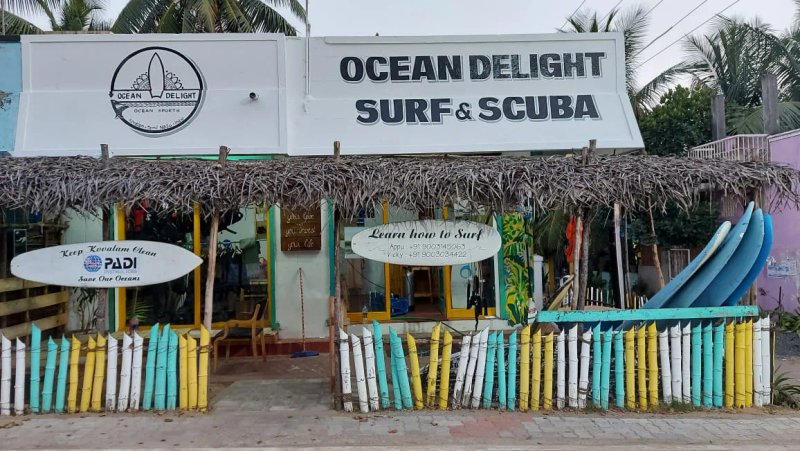 PADI
PADIChennai, India
5.0· 102 reviews
Starting at ₹7,100
 SSI
SSIGokarna, India
Starting at ₹6,000
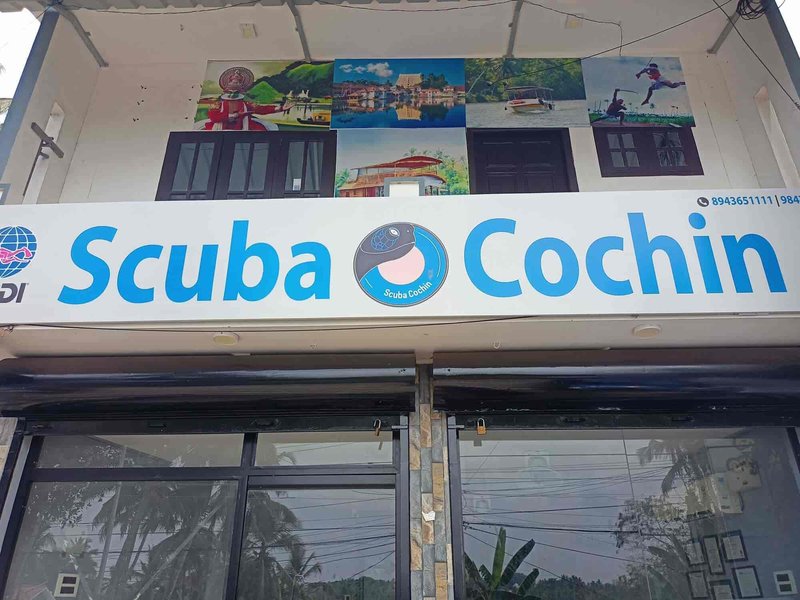 PADI
PADIKovalam, India
Starting at ₹4,500
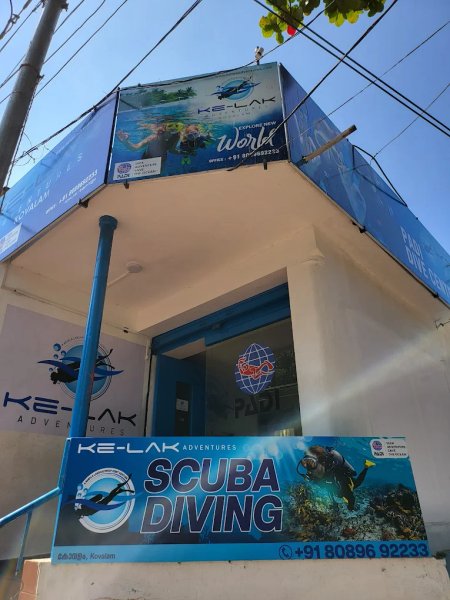 PADI
PADIKovalam, India
Starting at ₹15,000
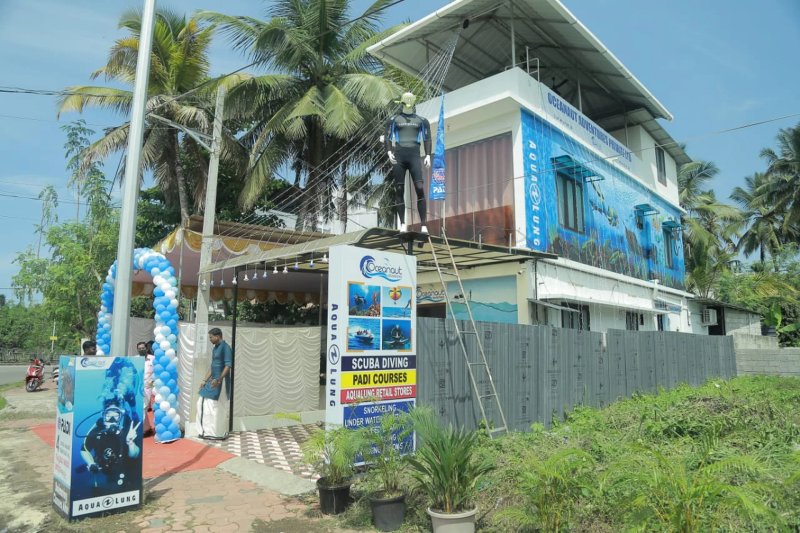 PADI
PADIKovalam, India
Starting at ₹13,000
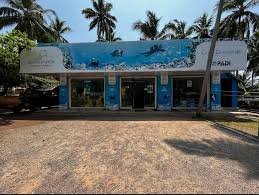 PADI
PADIKovalam, India
Starting at ₹23,914
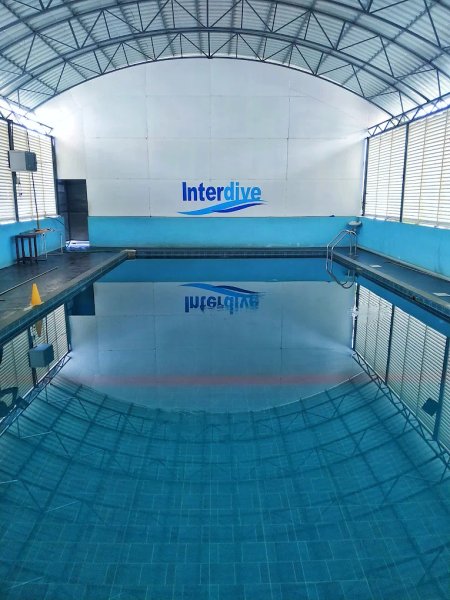 PADI
PADIKochi, India
4.5· 414 reviews
Starting at ₹3,608
 PADI
PADIKochi, India
Starting at ₹3,000
 PADI
PADIMurudeshwar, India
Starting at ₹28,000
 SSI
SSIGoa, India
Starting at ₹3,500
 PADI
PADIGoa, India
4.8· 701 reviews
Starting at ₹990
 PADI
PADIGoa, India
Starting at ₹24,000
 PADI
PADIGoa, India
Starting at ₹1,000
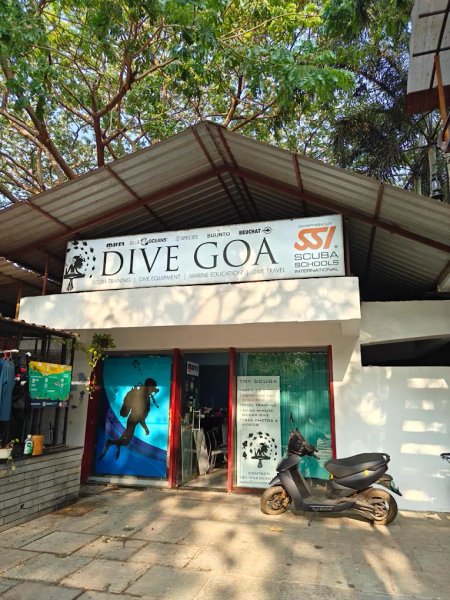 PADI
PADIGoa, India
Starting at ₹10,500
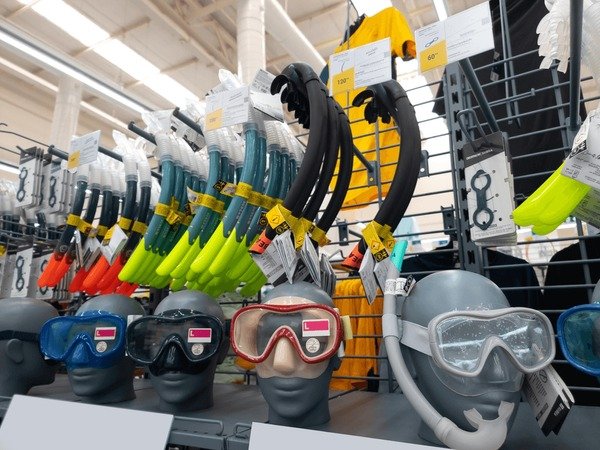 PADI
PADIGoa, India
4.8· 226 reviews
Starting at ₹3,500
 PADI
PADIGoa, India
Starting at ₹6,490
 PADI
PADIMumbai, India
Starting at ₹1,000
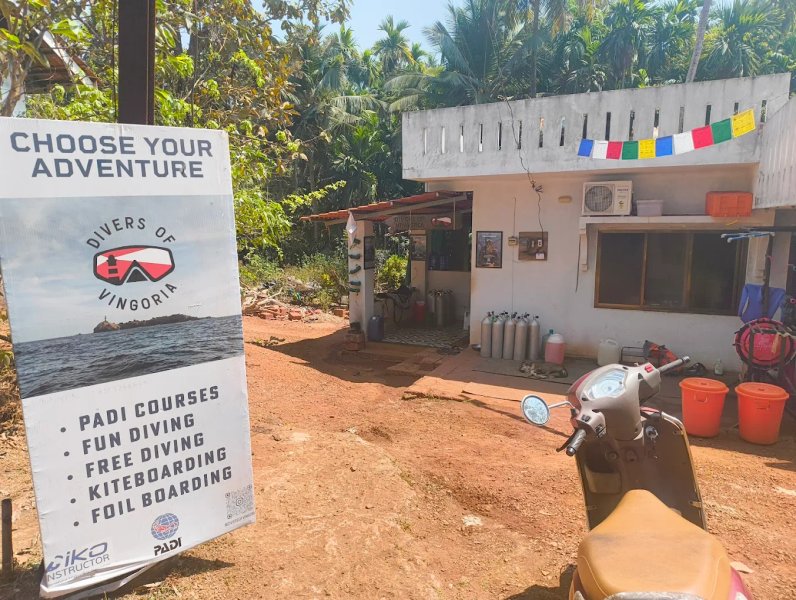 PADI
PADISindhudurg, India
Starting at ₹1,000
 PADI
PADIMalvan, India
Contact dive shop
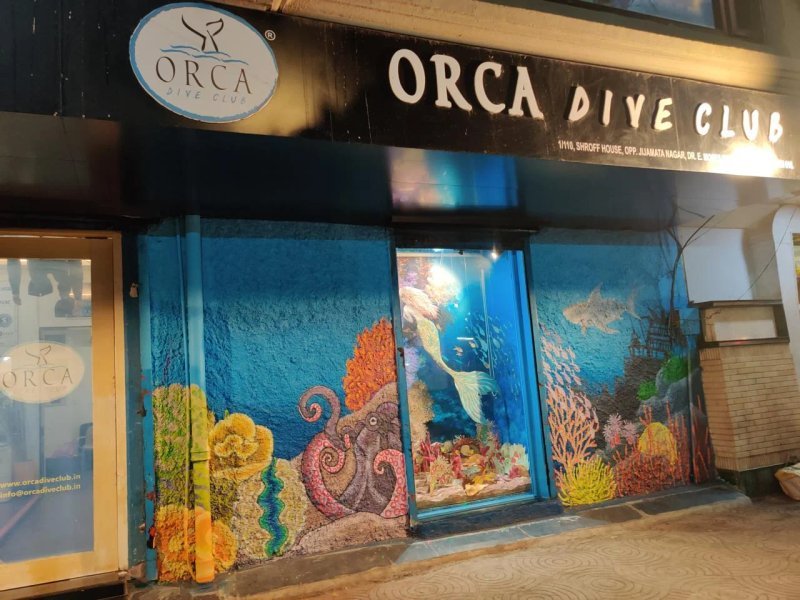 PADI
PADIMumbai, India
Starting at ₹6,000
Netrani, India
4.6· 15 reviews
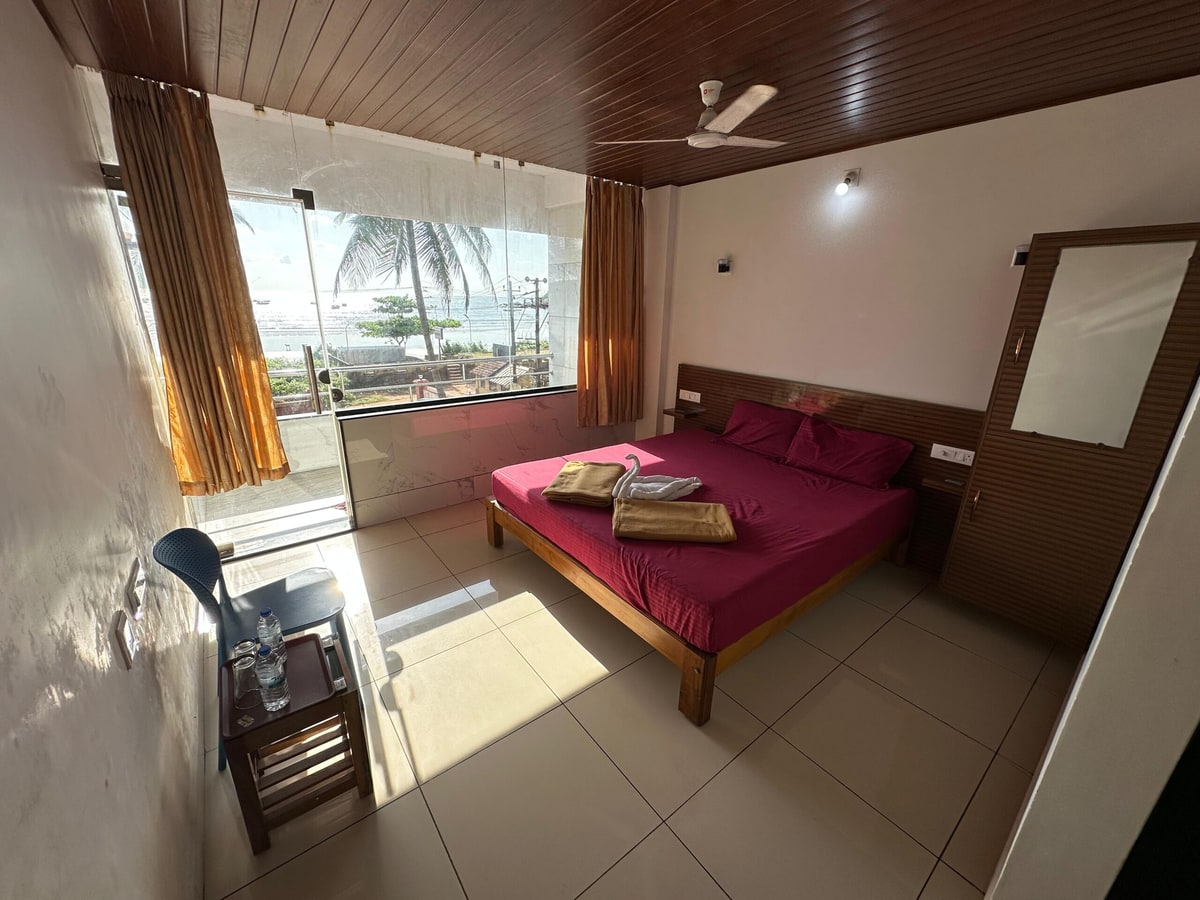
Murudeshwar, India
5.0· 12 reviews
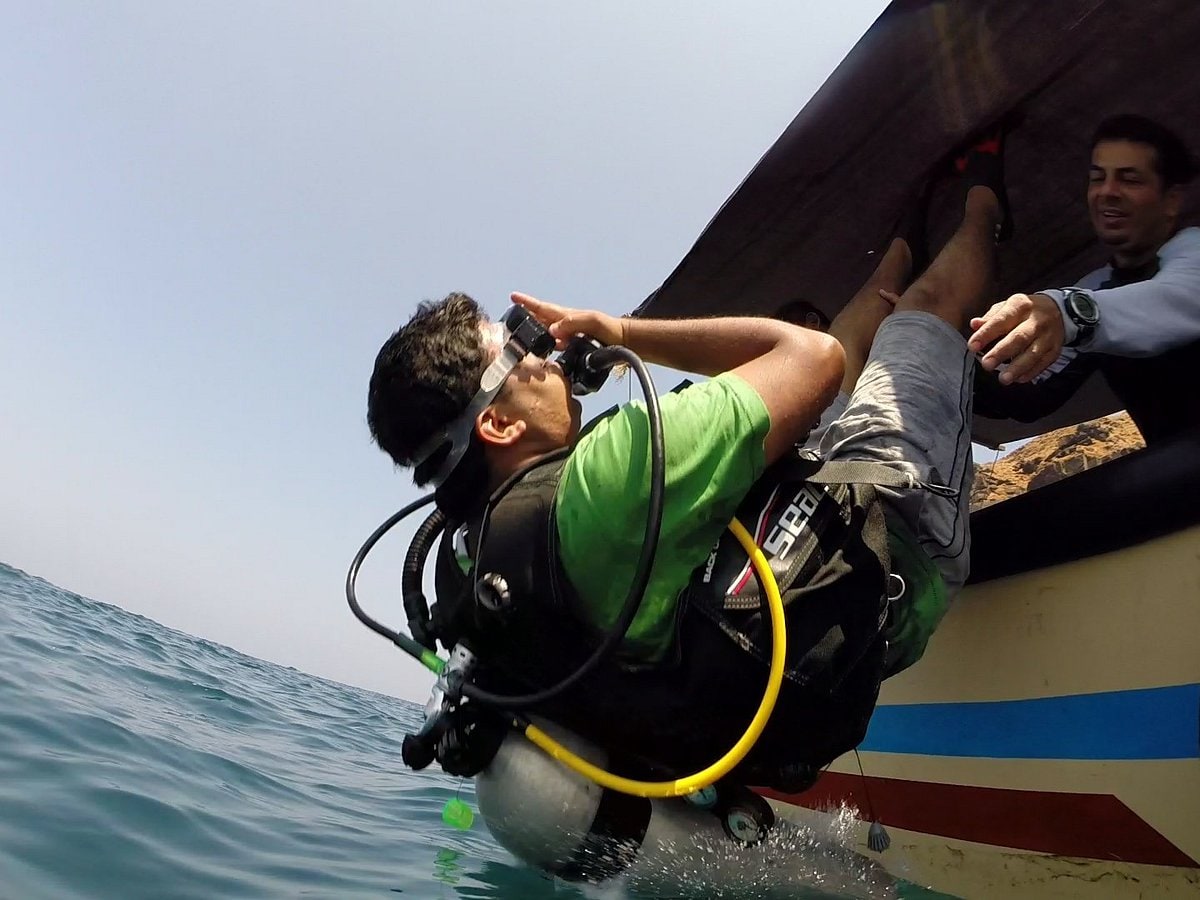
Murudeshwar, India
4.5· 228 reviews
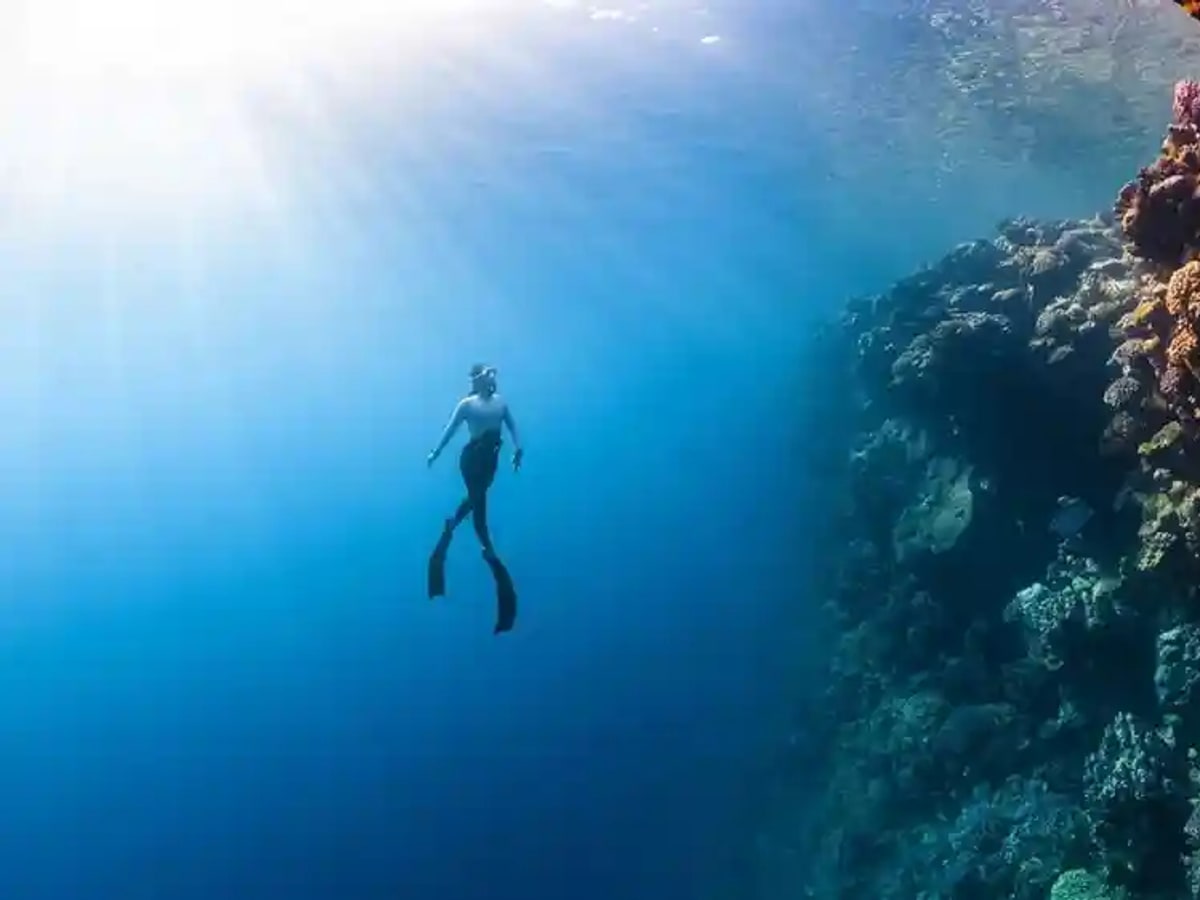
Murudeshwar, India
4.8· 220 reviews
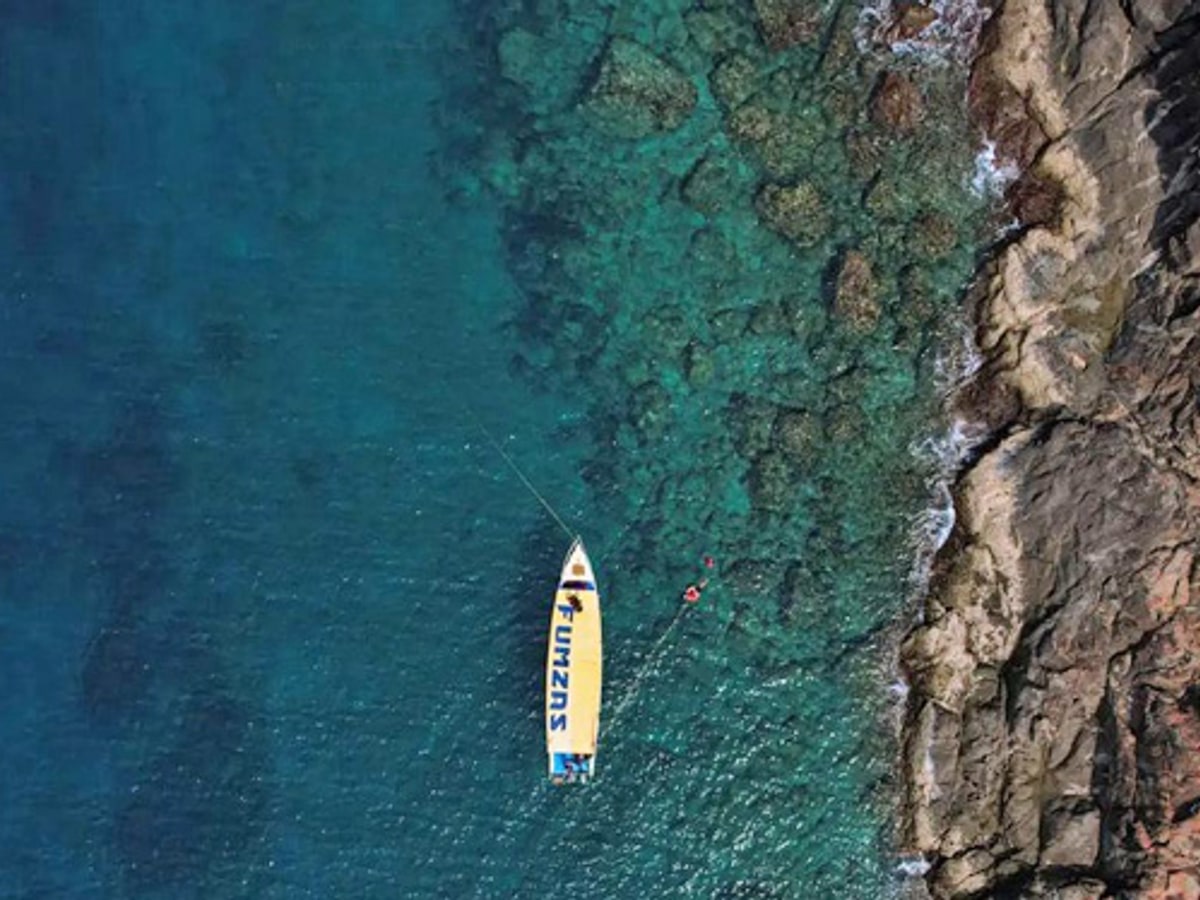
Murudeshwar, India
4.9· 322 reviews
Murudeshwar, India
5.0· 69 reviews
Murudeshwar, India
4.4· 711 reviews
Murudeshwar, India
4.8· 228 reviews
Murudeshwar, India
4.8· 165 reviews
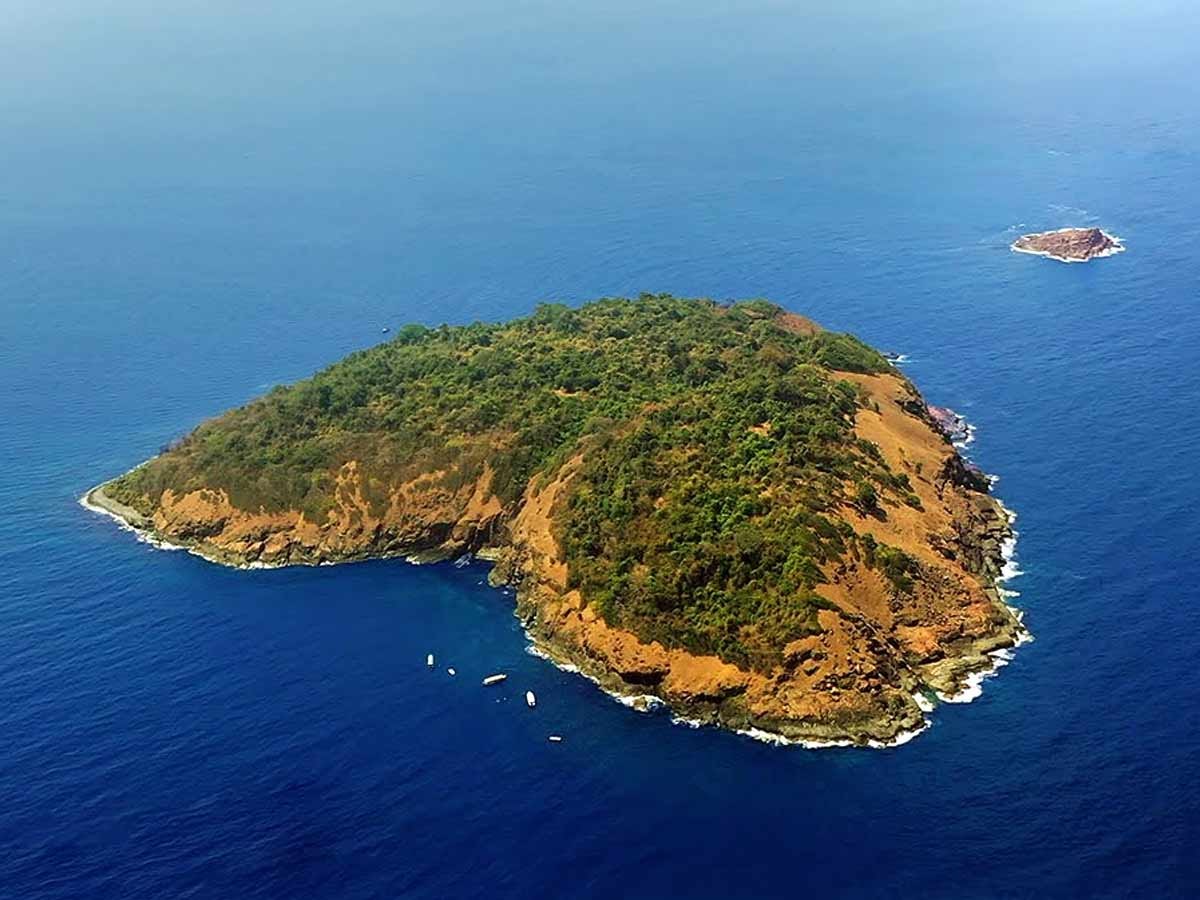
Murudeshwar, India
4.9· 1488 reviews
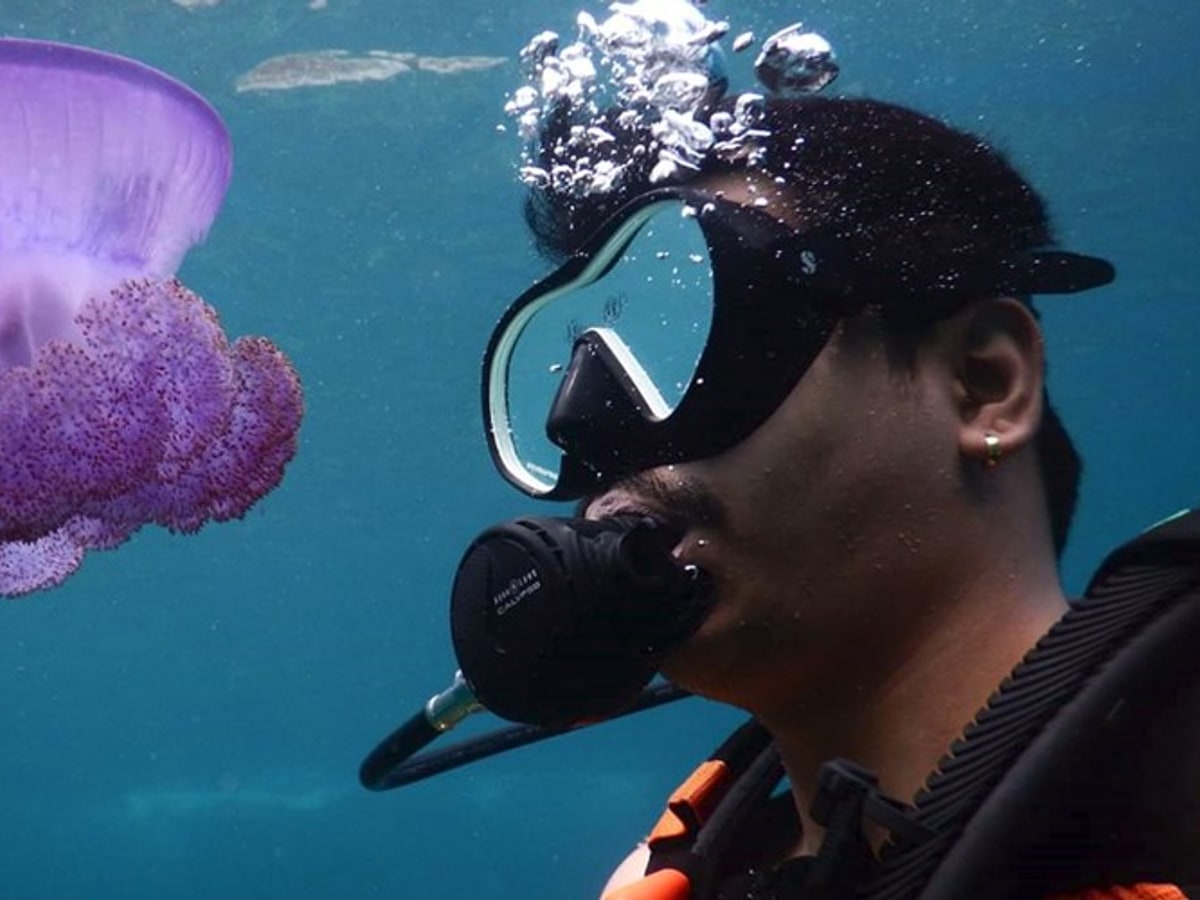
Murudeshwar, India
4.7· 1431 reviews
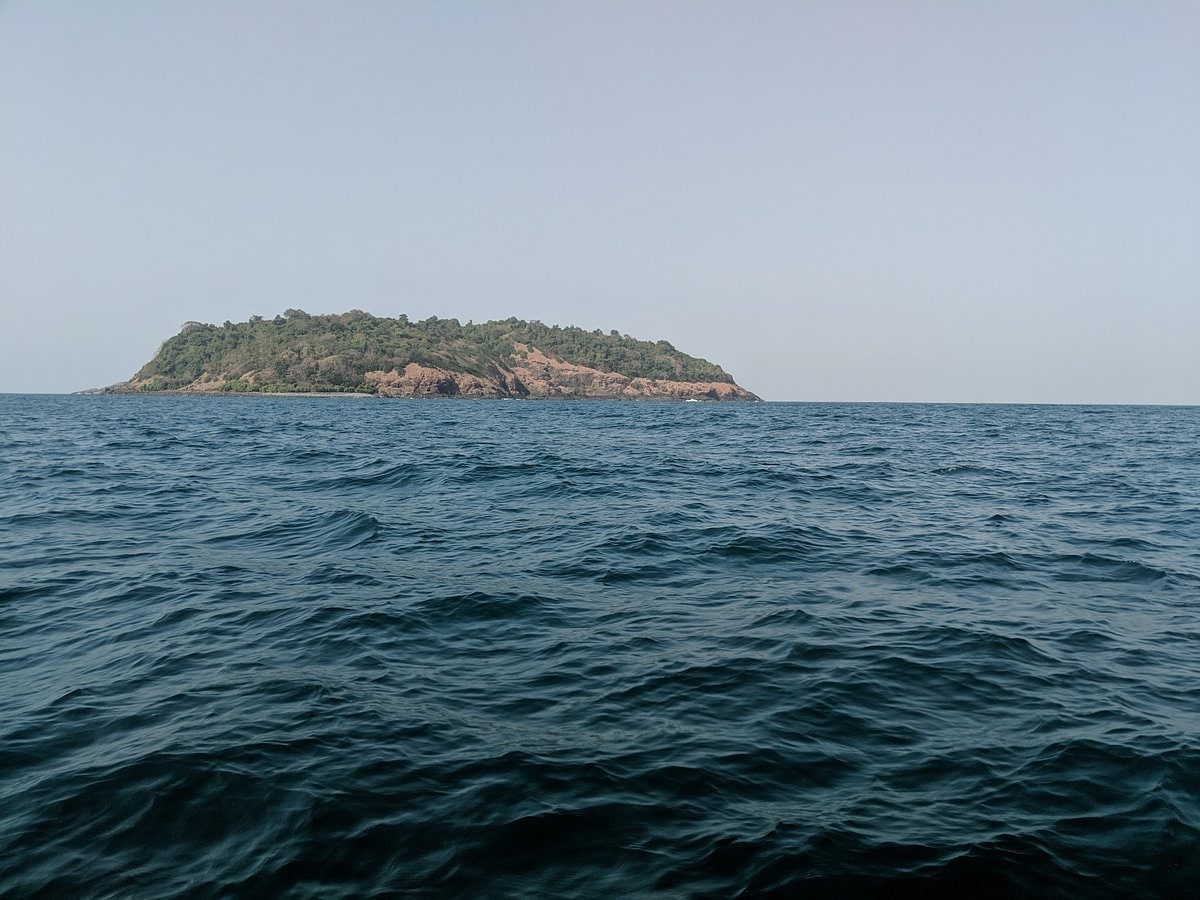
Murudeshwar, India
4.7· 79 reviews
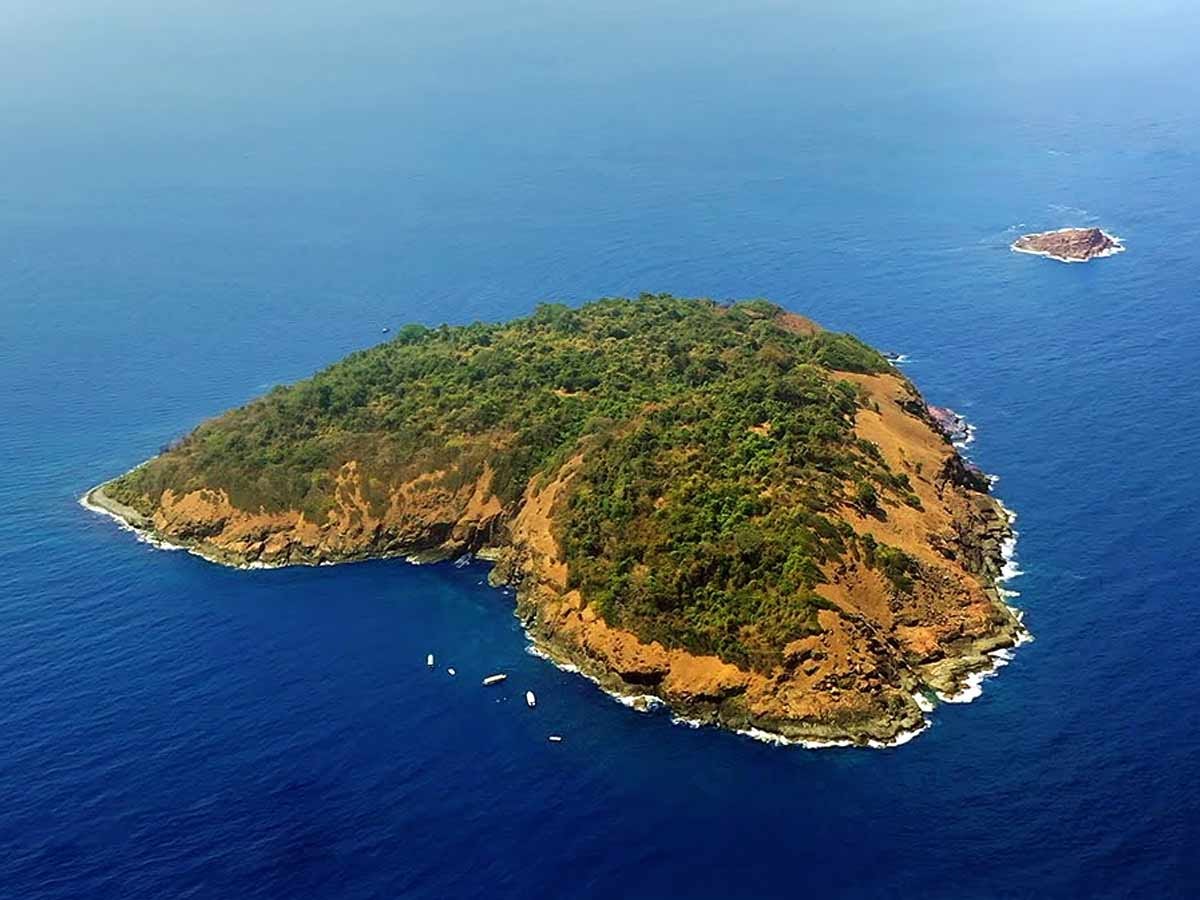
Murudeshwar, India
4.5· 1593 reviews
Murudeshwar, India
4.9· 1342 reviews
 SSI
SSIChennai, India
 PADI
PADIPondicherry, India
 PADI
PADIKochi, India
 PADI
PADIMurudeshwar, India
 PADI
PADIMalvan, India